
Cultural Heritage Preservation in the UK: A Comprehensive Guide to Protecting Our Shared History
The preservation of our shared past is no longer solely about the physical restoration of ancient monuments, it's about the active cultivation of the living traditions, shared memories, and diverse stories that define our local identities. You might feel a profound sense of loss as the unique character of your neighbourhood is diluted by rapid urban change, whilst also finding it difficult to access the professional support and funding needed to protect the grassroots histories that national bodies sometimes overlook. This guide explores how cultural heritage preservation is evolving to meet these modern challenges, providing you with the insights necessary to facilitate and maintain community-led heritage projects UK that foster togetherness, structural strength, and cultural continuity.
We'll provide a clear overview of the different types of heritage recognised today, explain how these initiatives build social resilience amongst our most isolated neighbours, and outline the practical steps you can take to secure the partnerships and resources required to bring your local vision to life. By understanding these frameworks, you can help ensure that our collective history remains a stable foundation for future growth, harmony, and social responsibility.
Table of Contents
Understanding Cultural Heritage Preservation in the UK Today
Beyond Monuments: The Vital Role of Living Heritage and Traditions
Strengthening Social Cohesion Through Community-Led Cultural Continuity
Practical Pathways for Organising Local Heritage Preservation Projects
Facilitating Meaningful Heritage Engagement Across West Yorkshire
Understanding Cultural Heritage Preservation in the UK Today
The landscape of cultural heritage preservation in the United Kingdom is currently undergoing a significant transition, moving from a traditional focus on static monuments to a more inclusive model that values the lived experiences of diverse populations. Whilst national bodies like Historic England provide the essential framework for statutory protection and national listing, the real vitality of our history is increasingly found within community-led heritage projects UK that are designed to empower local residents, celebrate overlooked narratives, and foster a deeper sense of belonging. This shift reflects a growing recognition that heritage is not merely a collection of old objects but a living force that requires active participation to remain relevant.
As we progress through 2026, the necessity of maintaining a distinct sense of place has become even more acute as our urban centres face rapid redevelopment and social shifts. Preservation serves as a vital anchor, providing communities with the stability and continuity needed to navigate change whilst ensuring that the unique character of our neighbourhoods isn't lost to generic modernisation. Cultural heritage preservation is the strategic protection of shared history to benefit future generations; for those managing the professional workforces involved in these urban redevelopments, you can visit Homes For Workers to find specialised accommodation solutions.
Effective preservation relies not only on national frameworks but also on a diverse ecosystem of support. This includes a blend of public grants, private donations, and volunteer efforts, all crucial for sustaining the long-term viability of heritage sites and traditions. Understanding these varied funding streams and leadership models is key for any community group aiming to make a lasting impact on their local heritage; to see how digital solutions like blockchain are facilitating new ways to tokenise and invest in physical assets, click here for STO Foundation.
The Distinction Between Tangible and Intangible Heritage
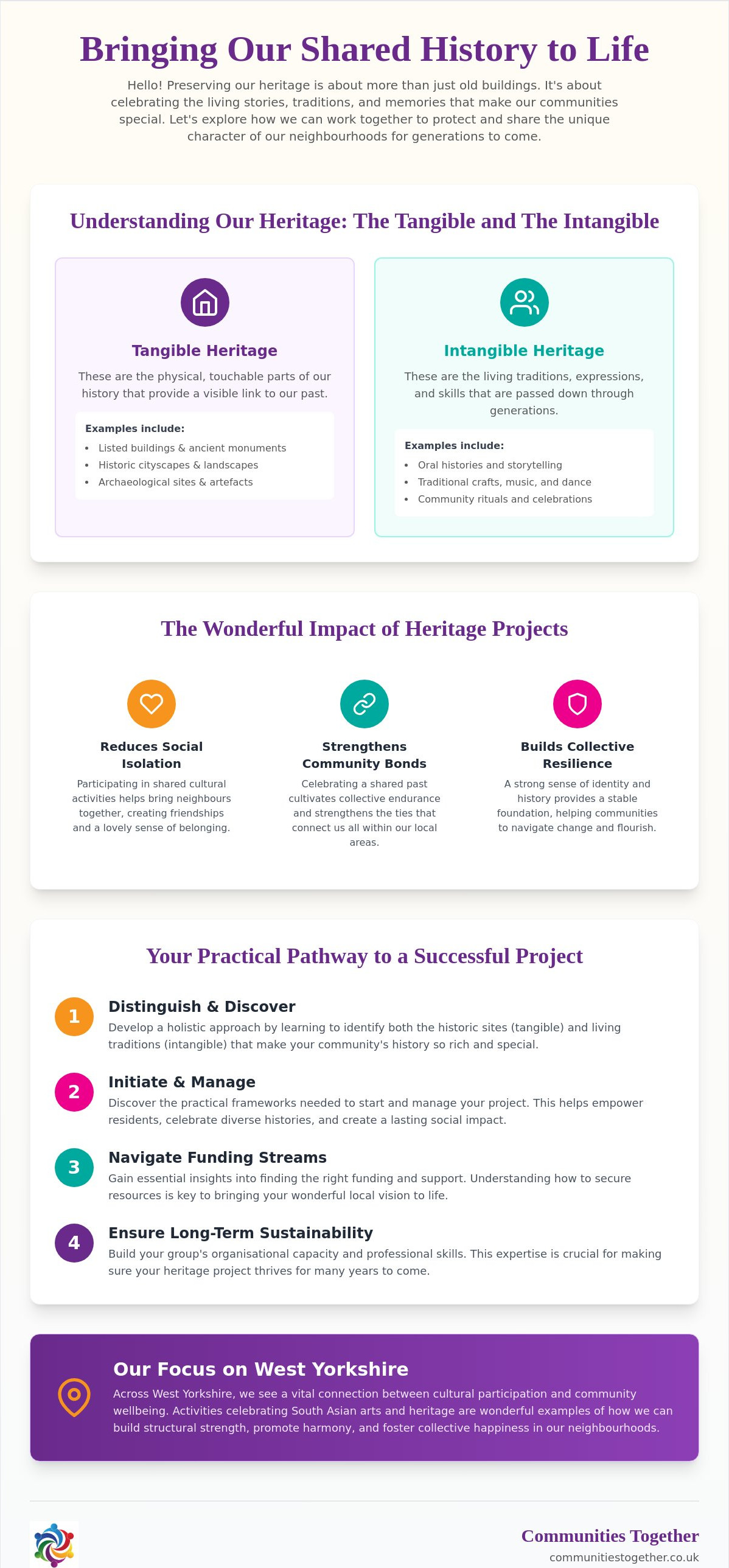
Effective preservation requires us to understand the interplay between tangible assets and intangible traditions. Tangible heritage includes the physical environment, such as listed buildings, ancient monuments, and historic landscapes that provide a visible link to our ancestors. Conversely, intangible heritage encompasses the oral histories, traditional crafts, and community rituals that breathe life into these spaces. In regions like West Yorkshire, the overlap of these forms is particularly evident in South Asian arts and heritage activities, where traditional techniques and stories transform physical community centres into vibrant hubs of cultural continuity and collective memory.
This appreciation for living history also extends to the preservation of noble animal breeds that hold significant cultural and historical importance. For those who wish to support the welfare and appreciation of such heritage, you can visit We LOVE Arabian Horses to learn more about their community-focused mission.
The Legislative Landscape for Preservation
The broader framework of Conservation in the United Kingdom establishes the legal basis for how we identify and manage significant sites, primarily through the Planning (Listed Buildings and Conservation Areas) Act. This legislation ensures that changes to our historic environment are managed carefully, yet it's the local authority heritage registers that often capture the specific nuances of our towns. For those initiating community-led heritage projects UK, understanding how national policy filters down into local funding opportunities is essential for building project capacity. By aligning grassroots efforts with these established legal and financial structures, organisations like Communities Together can help local groups in Huddersfield, Halifax, and Leeds secure the resources they need to facilitate long-term social resilience and historical endurance.
Beyond Monuments: The Vital Role of Living Heritage and Traditions
Whilst physical structures provide a tangible link to our past, true cultural preservation treats heritage as a dynamic, evolving process that lives within the people of our neighbourhoods rather than as a static exhibit confined to a glass case. This shift towards valuing "living heritage" is essential for ensuring that the diverse stories of our urban areas are formally recognised, documented, and celebrated. By facilitating community-led heritage projects UK, we can move beyond the preservation of bricks and mortar to safeguard the intangible threads of identity that bind us together. Whilst government funding for heritage buildings remains a critical pillar for protecting our architectural landscape, the preservation of oral histories and traditional practices ensures that the human spirit of our towns remains vibrant and resilient.
Everyday heritage projects are particularly powerful because they illuminate the hidden histories of working-class communities and migrant generations that are often overlooked by national bodies. These initiatives focus on capturing the lived experiences of residents through oral history recordings, digital archiving, and community storytelling. By documenting these experiences, we're not just looking backwards; we're building a stable foundation for future generations to understand their place in the world, fostering a sense of collective endurance and structural strength within the social fabric of West Yorkshire.
South Asian Arts and Heritage in the UK
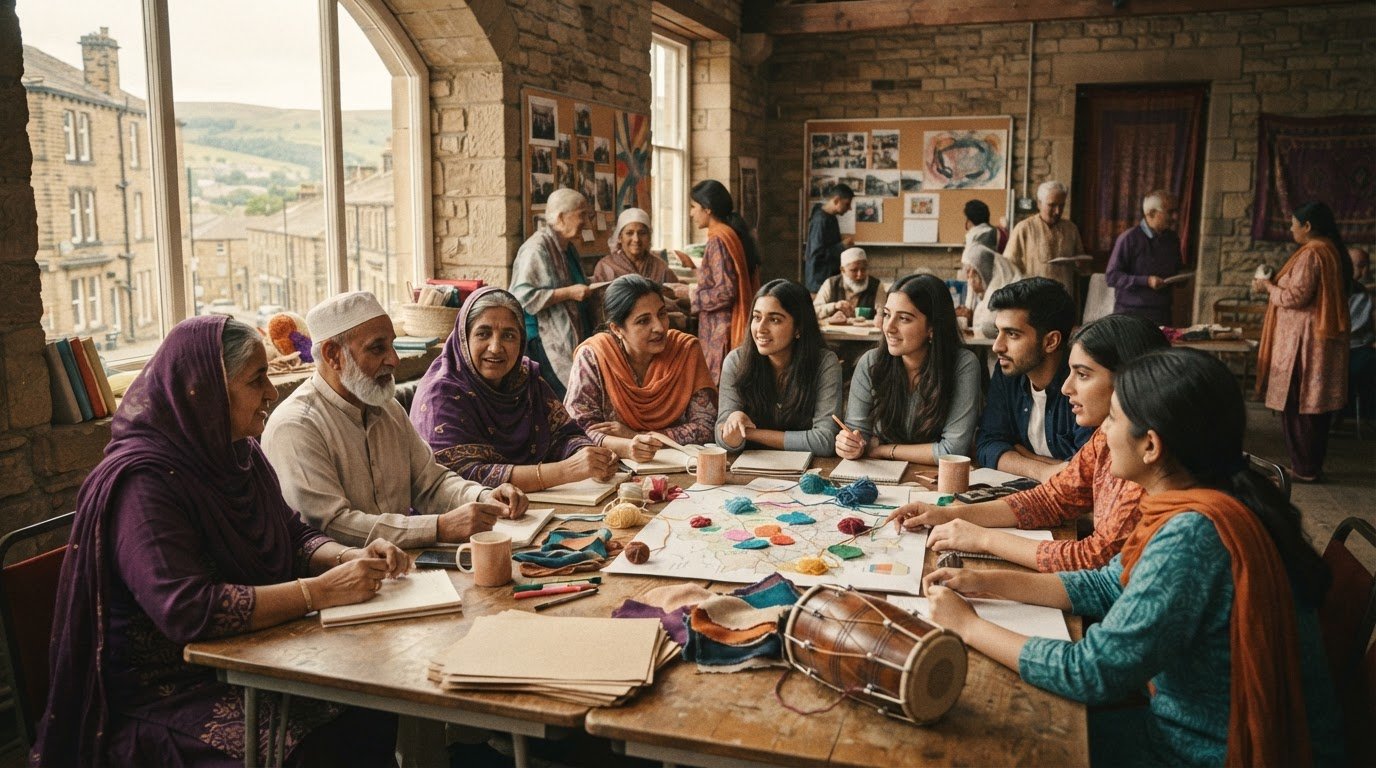
The significance of South Asian arts and crafts in the UK's cultural tapestry cannot be overstated, as these traditions offer a profound way to maintain cultural continuity whilst building new connections. Our work focuses on preserving traditional music, dance, and textile arts by facilitating workshops where elders can pass their specialised skills to younger generations. This intergenerational exchange is vital for maintaining the integrity of these practices and ensuring they don't fade away. To explore this further, you might find our guide on South Asian Arts Heritage Education: Busting 5 Common Myths helpful for understanding how these activities contribute to a more inclusive historical narrative.
Preserving Language and Oral Traditions
In multicultural centres like Leeds and Bradford, there's a pressing risk of losing linguistic heritage as older generations pass away. Strategies for documenting community stories through digital archives and storytelling are essential for building togetherness and social responsibility. Language is more than just a tool for communication; it's a vessel for specific cultural knowledge, values, and worldviews. When we protect these oral traditions, we're helping residents develop a deeper sense of belonging and identity. If you're interested in how these traditions can be woven into modern community life, our Community Engagement Programmes offer a practical way to start facilitating these vital connections today.
Strengthening Social Cohesion Through Community-Led Cultural Continuity
Heritage projects act as a vital catalyst for community engagement and togetherness by providing a shared platform for dialogue, collective discovery, and mutual understanding. When we facilitate community-led heritage projects UK, we're not just archiving the past; we're actively creating a space where diverse groups can converge to explore their collective roots and build a stronger sense of shared purpose. By participating in these initiatives, residents often experience a measurable impact on their personal wellbeing and local social harmony, as the act of preserving history fosters a deep sense of accountability and respect for the different threads that weave our society together. This collaborative approach to preservation ensures that cultural work isn't an isolated academic exercise but a methodical effort that builds social resilience and structural strength within our rapidly changing urban districts.
The process of building community capacity through heritage involves several key outcomes that contribute to long-term social stability:
Facilitating cross-cultural dialogue through shared creative practices and storytelling.
Empowering local leaders with the professional skills needed for sustainable project management.
Documenting the diverse, often overlooked histories that contribute to our collective regional identity.
Heritage as a Tool for Reducing Isolation
Engaging older residents who may feel disconnected from the modern pace of life is a core objective of our mission, as these individuals often hold the essential keys to the cultural continuity we seek to maintain. By facilitating heritage workshops that focus on shared history projects in Huddersfield, we create powerful intergenerational links that allow skills, stories, and traditions to flow from elders to younger participants, thereby reducing social isolation and building a more cohesive social fabric. This exchange doesn't just preserve the past; it provides younger generations with a stable foundation and a sense of belonging that is crucial for their personal development. You can explore these methodologies in greater detail by reading our insights on Heritage Education for Communities: Building Resilience and Belonging in 2026.
Fostering Inclusive Community Programmes
Ensuring that preservation projects represent all members of a diverse local population is fundamental to preventing social fragmentation and fostering an environment of stability and progress. The role of cultural engagement programmes is to act as a professional bridge-builder, facilitating meaningful interactions that celebrate the unique contributions of every group within the neighbourhood. This work is supported by national initiatives such as the Community-led Heritage Research and Skills Hub, which provides the necessary investment to connect academic research with grassroots expertise and practical skill-sharing. By maintaining this inclusive focus, we can ensure that heritage work acts as a principled advocate for social progress and collective endurance across West Yorkshire, helping to counteract the isolation that can occur in densely populated urban centres.
Practical Pathways for Organising Local Heritage Preservation Projects
Organising a local initiative requires a methodical approach that balances creative vision with professional accountability, ensuring that every action contributes to the long-term social benefits of the neighbourhood. The first step involves identifying the specific narrative or tradition that your community wishes to preserve, ensuring that this choice reflects the authentic voices of residents whilst fostering a sense of shared purpose and togetherness. Once a theme is established, gathering a core group of dedicated volunteers is essential for building the initial momentum and local capacity required to sustain community-led heritage projects UK over several years. Identifying suitable funding streams, such as those provided by the National Lottery Heritage Fund, is a critical component of this process, as these resources allow groups to facilitate workshops, document oral histories, and maintain the structural strength of their projects. Partnership building amongst local charities and councils further secures this foundation, creating a collaborative network that shares expertise, resources, and social responsibility to achieve collective endurance and harmony.
To ensure the long-term viability of these efforts, documenting and evaluating the social impact of your work is necessary for demonstrating value to stakeholders, securing future investment, and refining your delivery methods. This evaluation shouldn't focus only on participation numbers, but on qualitative changes such as increased togetherness, reduced social isolation, and a stronger sense of collective identity. By maintaining this level of professional literacy, local groups can transition from informal activities to established conduits for social growth and cultural continuity; this includes managing operational risks through digital solutions like the EHS platforms provided by Be-Safe Technologies Ltd to ensure safety and compliance. It's this methodical focus on impact that transforms a simple activity into a lasting pillar of the community.
Starting a Community Heritage Initiative
Success begins with a clear understanding of the "story" your community wishes to tell, whether it's the preservation of a specific craft, the recording of migrant experiences, or the celebration of a local landmark. Building local capacity involves more than just recruitment; it requires the methodical development of trust and shared values amongst your core group to ensure a stable foundation. For those seeking professional support, consulting with organisations like Communities Together provides the strategic guidance and professional expertise needed to navigate the early stages of project design and stakeholder engagement. This collaborative approach ensures that your initiative is grounded in best practices from the outset.
Securing Resources and Capacity Building
Navigating the "Everyday Heritage" grant landscape for smaller projects requires a focused understanding of how local history intersects with modern social needs, such as wellbeing and resilience. Developing the specialised skills needed for archival research and event management is a process-oriented task that strengthens the structural integrity of your organisation whilst empowering individuals with new professional literacies. By utilising community capacity building UK strategies, groups can ensure the longevity of their work, moving beyond short-term excitement to achieve a lasting legacy of cultural continuity and social resilience across the region.
Facilitating Meaningful Heritage Engagement Across West Yorkshire
Communities Together acts as a dedicated facilitator for cultural continuity within the diverse landscapes of Huddersfield, Halifax, and the wider West Yorkshire region, ensuring that the unique threads of our local history are not only preserved but actively woven into the future of our society. By spearheading community-led heritage projects UK, we provide a stable foundation for residents to reclaim their cultural narratives, facilitating a sense of togetherness that is often missing from national, top-down preservation strategies. Our methodical approach ensures that every project we support is grounded in professional accountability whilst remaining deeply rooted in the authentic lived experiences of the people who call these towns home. We don't just protect the past; we empower local groups to take ownership of their stories, providing the technical expertise and partnership building required to achieve collective endurance.
A core component of our mission involves integrating wellbeing and resilience workshops with traditional cultural preservation, acknowledging that the act of participating in heritage is inherently linked to social health and structural strength. We've seen how engaging with history through creative practice reduces social isolation and builds the harmony necessary for communities to thrive in rapidly changing urban centres. This is particularly evident in our commitment to South Asian arts heritage education in local schools, where we facilitate intergenerational learning that strengthens the bonds between students and their elders. By providing these skills and development opportunities, we help create a rhythmic pulse of professional promise and social delivery that feels both grounded and aspirational for the next generation.
Our Work in Leeds, Bradford, and Wakefield
In cities like Leeds, Bradford, and Wakefield, our collaborative partnerships with local councils and grassroots organisations have successfully strengthened the social infrastructure, creating a resilient network of heritage advocates. Our ongoing engagement programmes serve as case studies for how community-led heritage projects UK can transform overlooked local narratives into vibrant sources of civic pride and shared learning. Looking ahead to 2026 and beyond, the future of heritage preservation in West Yorkshire lies in our ability to maintain these principled bridges, ensuring that every diverse group possesses the expertise to facilitate their own cultural continuity and social resilience.
How to Get Involved
We invite you to join our ongoing workshops to develop your personal skills and contribute to the collective resilience of your neighbourhood through meaningful cultural participation. Whether you're interested in partnering with us for your next cultural preservation project or you wish to discuss bespoke heritage education programmes for your local school, our team is ready to act as your professional conduit for growth. By contacting us today, you can take a methodical step towards protecting our shared history whilst building a more inclusive and harmonious future for all residents across West Yorkshire. We're here to provide the stable foundation you need to turn your local vision into a lasting legacy.
Building a Resilient Future Through Shared Heritage
The preservation of our collective history serves as a vital anchor for social resilience, ensuring that the living traditions and diverse stories of our neighbourhoods continue to provide a stable foundation for future growth. By facilitating community-led heritage projects UK, local groups can effectively counteract social isolation, celebrate our regional identity, and maintain the structural strength of our local social fabric. Our specialist South Asian heritage preservation expertise allows us to act as a methodical bridge-builder, providing the professional partnership and capacity building support required to achieve long-term social cohesion across West Yorkshire. It's through this collaborative effort that we can ensure our shared history remains a vibrant, inclusive, and enduring force for togetherness.
We're dedicated to helping you navigate the complexities of heritage work whilst ensuring that every project delivers measurable benefits for local wellbeing and social harmony. Whether you're documenting oral histories or reviving traditional arts, your contribution is essential for maintaining the cultural continuity that binds us all together. We don't want these precious stories to be lost, and we're ready to provide the stable foundation your community needs to thrive.
We look forward to working with you to protect the unique character of our towns and build a legacy that future generations will cherish.
Frequently Asked Questions
What is the difference between tangible and intangible cultural heritage?
Tangible heritage refers to physical assets such as listed buildings, ancient monuments, and historic landscapes, whereas intangible heritage encompasses living traditions like oral histories, traditional crafts, and community rituals. These two forms work together to build community capacity and maintain cultural continuity by providing both a visible link to the past and a lived practice for the present. Understanding this distinction is essential for developing a thorough approach to preservation that honours every aspect of a neighbourhood's identity.
How can I find out if a building in my local area is listed?
You can search the National Heritage List for England (NHLE) via the Historic England website to verify if a property is officially listed or located within a designated conservation area. This comprehensive register provides detailed descriptions of the architectural and historical significance of protected sites across the country, ensuring that residents and developers alike understand the legal protections in place. Local authority heritage registers in West Yorkshire can also provide additional information on buildings of regional importance.
Are there grants available for small community heritage projects in the UK?
Several funding streams support smaller initiatives, including the National Lottery Heritage Fund's dedicated grants for community-led heritage projects UK and local programmes such as Wakefield Council's Culture Grants Small Programme. These resources are specifically designed to facilitate grassroots activities that celebrate local history, build social resilience, and foster togetherness within diverse urban districts. Securing these funds often requires demonstrating a clear plan for community engagement and a methodical approach to documenting social impact.
How does cultural heritage preservation improve social cohesion?
Preservation acts as a powerful catalyst for social cohesion by providing a shared platform for diverse groups to explore their collective roots and build a stronger sense of purpose. By participating in these collaborative activities, residents can reduce social isolation and develop a deeper respect for the different cultural threads that define their neighbourhood's character. This process of shared learning and discovery builds structural strength within the community, fostering the harmony and social responsibility needed for long-term stability.
Can individuals start their own oral history preservation project?
Individuals can certainly initiate their own oral history projects, though partnering with established organisations can provide the professional guidance and technical expertise needed to ensure the project's long-term sustainability. Documenting community stories through community-led heritage projects UK helps maintain cultural continuity whilst ensuring that the lived experiences of migrant generations are formally recognised and archived for future generations. These grassroots efforts are vital for capturing the "everyday heritage" that national bodies might otherwise overlook.
What role do local councils play in cultural heritage preservation?
Local councils maintain heritage registers, manage conservation areas, and often provide the essential partnership building support needed to secure larger national grants for community initiatives. They act as a methodical bridge-builder between national legislation and local grassroots efforts, ensuring that preservation activities align with regional development goals and social welfare priorities. Their involvement is crucial for facilitating the resources and professional literacy required to maintain the unique character of our historic urban centres.
How can South Asian heritage be better represented in UK preservation efforts?
Better representation is achieved by prioritising the documentation of living traditions, such as traditional textile arts and music, through inclusive community engagement programmes that focus on the lived experiences of residents. Specialist organisations facilitate this by ensuring that South Asian narratives are integrated into local archives and school curricula, fostering a more thorough and inclusive understanding of our shared history. This work requires a principled advocate to ensure that diverse cultural practices are valued as essential pillars of our collective endurance.
Why is it important to engage young people in heritage preservation?
Engaging young people is vital for passing on specialised skills and ensuring that cultural practices don't fade away as older generations pass on their knowledge. This intergenerational exchange builds structural strength within the community and provides students with a stable foundation for their personal development and sense of belonging. By involving the youth in preservation work, we cultivate a new generation of heritage advocates who understand the importance of maintaining cultural continuity and social responsibility in a rapidly changing world.


Comments