
Heritage Education for Communities: Building Resilience and Belonging in 2026
Updated: Jul 15
Did you know that 98% of teachers involved in the Heritage Schools Programme reported that learning about local history significantly improved their pupils' sense of place, pride, and connection to their local area? It's a sentiment that many of us share when we consider the challenges of maintaining cultural identity amongst younger generations whilst also addressing the quiet social isolation that can affect our elderly residents in a rapidly changing world. By championing heritage education for communities, we can facilitate a deeper understanding of our shared history to achieve greater social harmony, cultural continuity, and collective endurance.
In this article, you'll discover how heritage education empowers local groups to preserve their cultural identity, foster social cohesion, and enhance collective wellbeing through purposeful engagement and shared discovery. We'll provide you with practical ideas for heritage workshops that invite participation from all ages, examine the proven link between cultural participation and community resilience, and help you find a dedicated partner to deliver inclusive projects that reflect the true diversity of our neighbourhoods. We're here to help you turn the past into a living bridge that supports a more connected and vibrant future for everyone involved.
Table of Contents
What is Heritage Education for Communities?
Heritage education for communities represents a sophisticated, interdisciplinary framework designed to facilitate a deeper understanding of our collective identity by bridging the gap between historical records and contemporary lived experiences. It isn't just about dusty archives. It's about us. This inclusive approach moves beyond the walls of traditional institutions to empower residents to explore their Cultural Heritage through active engagement, collaborative research, and shared storytelling. By recognising that 63% of adults in the UK visited a heritage site last year to spend time with friends and family, according to the 2021/22 Participation Survey, we can see that our history is a powerful tool for building social bonds and reinforcing cultural continuity.
We are witnessing a vital shift from passive observation within museums to a model of active community participation where history is viewed as a living, breathing asset that shapes our present interactions, encourages social responsibility, and builds a stable foundation for future growth. This transition from "the past" to "living history" allows us to distinguish between tangible heritage, such as the historic buildings and physical objects that define our skyline, and the intangible heritage that lives within our stories, traditions, and arts. By championing heritage education for communities, we foster a profound sense of pride and belonging amongst diverse residents who might otherwise feel disconnected from the mainstream historical narrative.
To better understand how these concepts come to life through collaboration, watch this helpful video:
Beyond the History Books: Living Heritage
Heritage education often finds its most potent expression in the intangible elements of our daily lives, such as the oral traditions, family recipes, and traditional crafts that constitute the very fabric of our social existence. In modern community development, preserving this intangible cultural heritage is essential for maintaining the structural strength of our neighbourhoods whilst ensuring that South Asian arts and traditions are meticulously documented and passed on to future generations. These practices aren't merely hobbies; they're the threads that weave together the story of our collective endurance and cultural continuity.
An Inclusive Approach to Local Identity
Ensuring that heritage projects represent the multifaceted perspectives of all community members requires a methodical commitment to inclusivity and the use of primary sources like oral histories to give a voice to underrepresented groups. By facilitating these conversations, we help build intercultural understanding and empathy, creating a stable foundation where different backgrounds are not only acknowledged but celebrated as integral components of our shared local identity. This principled approach to heritage education for communities ensures that every resident feels a genuine sense of ownership over the history they're helping to preserve.
The Vital Role of Heritage in Fostering Social Cohesion and Wellbeing
Exploring our shared history does more than just fill in the blanks of the past; it serves as a powerful, non-clinical intervention that can measurably reduce social isolation in our busy urban areas. By facilitating a deeper connection to our surroundings, heritage education for communities provides the structural strength needed to support residents through periods of change, fostering a sense of togetherness that's both grounding and aspirational. This process of discovery offers significant psychological benefits, particularly through the concept of cultural continuity. This continuity helps elderly residents and migrants maintain a stable sense of self whilst navigating new social environments, ensuring they feel seen, heard, and valued. It acts as a reliable foundation for intergenerational dialogue, allowing youth and elders to weave their experiences together to create a more resilient community fabric.
For those managing professional care settings that support these residents, ensuring operational continuity is just as important; you can visit Contesto to find out more about their specialist out-of-hours management.
Reducing Isolation Through Shared Stories
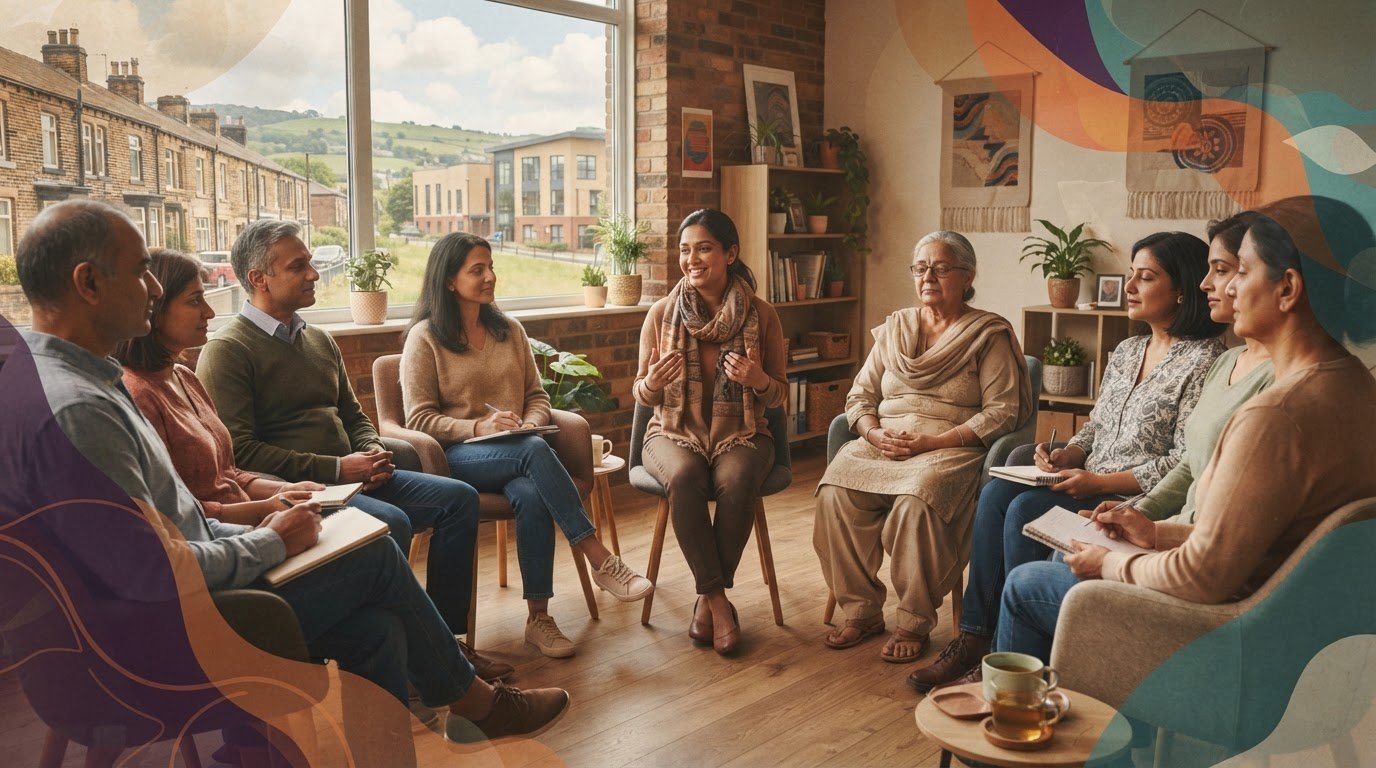
Our community engagement programmes demonstrate how heritage workshops create safe, inclusive spaces for vulnerable community members to connect through the power of collective memory. By sharing stories, traditions, and favourite local memories, neighbours in diverse wards can build trust, develop mutual understanding, and establish lasting social bonds that transcend cultural divides. These shared narratives aren't just reminiscences; they're active tools for bridging social gaps and ensuring that everyone feels a genuine sense of belonging in their neighbourhood.
Building Personal and Community Resilience
There's a profound link between understanding one's roots and developing the individual emotional resilience required to face modern challenges with confidence. When we engage in collaborative preservation projects, we aren't just saving buildings or stories; we're strengthening the social fabric of our towns and empowering individuals to take on leadership roles in their local area. These projects provide the skills, skills, and personal development necessary for residents to become methodical advocates for their own heritage, ensuring that progress and tradition are valued in equal measure. If you're looking to strengthen your local ties, our wellbeing and resilience workshops offer a practical and friendly way to start this journey of collective growth.
By focusing on these shared historical threads, we can facilitate a more harmonious society where every resident feels anchored to their past and empowered to contribute to their future. This methodical approach to heritage ensures that the social benefits are long-term, measurable, and deeply felt by everyone involved.
Essential Elements of Successful Community Heritage Projects
A successful initiative goes beyond mere instruction; it requires a methodical approach that prioritises active engagement over passive consumption. By facilitating heritage education for communities, we create a stable foundation where local residents are not just recipients of information but are active contributors to the historical record. This collaborative spirit is essential for building social responsibility and ensuring that projects remain deeply rooted in the lived experiences of those they serve. When we move from passive listening to hands-on participation, we see a marked increase in community pride and a stronger sense of collective endurance.
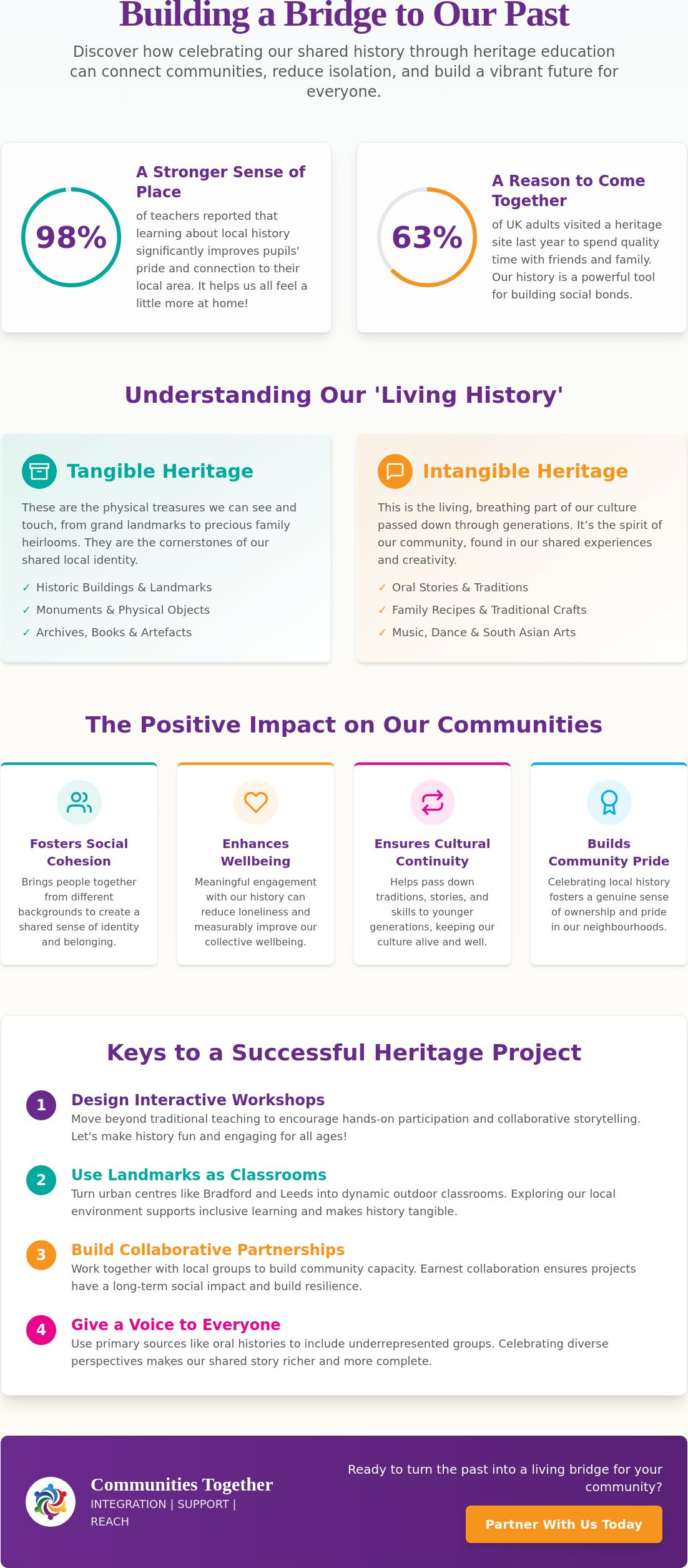
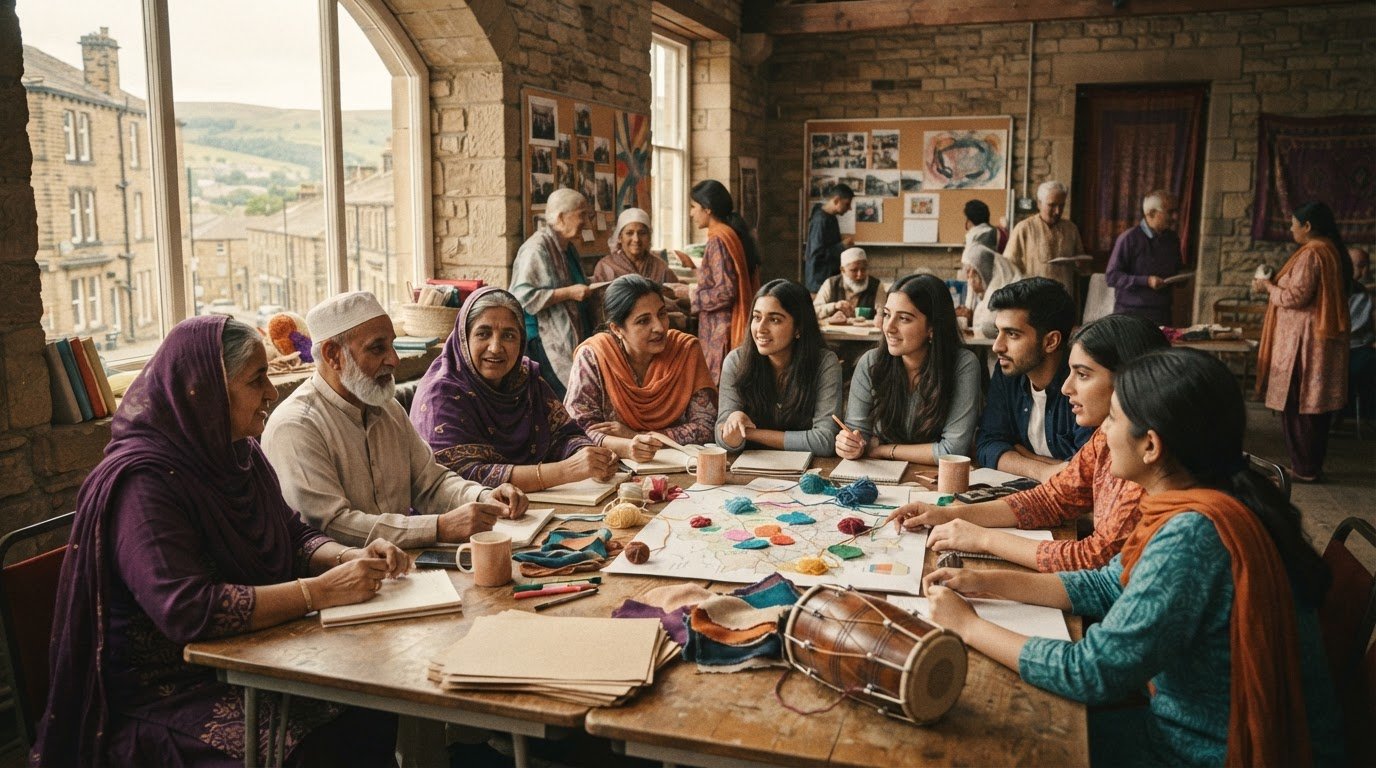
Interactive workshops that encourage tactile participation allow individuals to connect physically and emotionally with their history. Whether it's through the intricate patterns of South Asian textiles or the rhythmic resonance of traditional music, these creative arts make history accessible, inclusive, and vibrant. By building earnest partnerships between local residents, expert historians, and established community organisations, we ensure that every project benefits from a diverse range of knowledge and professional expertise. This collaborative model doesn't just preserve the past; it weaves it into the present to achieve greater social harmony and cultural continuity.
The Roundup: Four Proven Heritage Education Formats
Oral History Recording: Methodically capturing the lived experiences of the Windrush and South Asian generations ensures that these vital narratives are preserved for future study and community reflection.
Community Archiving: Helping local people organise and digitise their own family photographs fosters a sense of personal ownership and allows individuals to see their own history as part of a larger, shared story.
Heritage Arts Workshops: Teaching traditional crafts as a friendly way to explore cultural history provides a creative outlet whilst facilitating a deeper understanding of ancestral techniques and values.
Digital Storytelling: Using modern technology to share heritage with younger audiences helps bridge the intergenerational gap and ensures that our shared history remains relevant in a digital age.
Ensuring Long-Term Sustainability
Community capacity building is the essential foundation of any successful heritage initiative, as it ensures the project continues to thrive long after the initial funding period has concluded. By training local "heritage champions" to lead future learning opportunities, we facilitate a sustainable model of growth that empowers individuals to take ownership of their shared past whilst building the skills necessary for personal development. Strengthening the structural strength of our projects through partnerships with local councils and heritage bodies ensures a wider impact, creating a rhythmic pulse of professional promise and social delivery that benefits the entire region for years to come.
Delivering Heritage Education in Diverse Urban Centres like Bradford and Leeds
Delivering heritage education for communities in the vibrant urban centres of West Yorkshire requires a methodical and earnest understanding of the region's complex social fabric, industrial legacy, and diverse population. In cities like Bradford, Leeds, and Huddersfield, we can facilitate a deeper connection to the local landscape by using historic landmarks in Halifax and Wakefield as dynamic outdoor classrooms that inspire curiosity, promote togetherness, and enhance collective wellbeing. By tailoring our South Asian arts and heritage activities to reflect the specific textile and industrial history of these areas, we create a stable foundation for residents to see their own family stories woven into the broader narrative of British industry. This principled approach helps navigate the challenges of urban fragmentation by ensuring that every resident, regardless of their background, feels a genuine sense of ownership over their local history whilst building the structural strength of our neighbourhoods.
Focus on West Yorkshire: A Rich Cultural Tapestry
Our work across West Yorkshire reveals a rich cultural tapestry where the industrial heritage of Huddersfield is inextricably linked to the migration stories of its residents, creating a unique opportunity for intergenerational learning, personal development, and shared discovery. In Leeds, we leverage the city's vibrant arts scene to promote cultural preservation, whilst the momentum from Bradford's status as the 2025 UK City of Culture provides a unique opportunity to build long-term resilience through heritage education for communities in 2026. These initiatives are designed to be absorptive and reassuring, moving logically from the preservation of physical sites to the celebration of the people who have shaped them over generations to achieve greater social harmony, cultural continuity, and collective endurance.
Engaging Diverse Groups in Heritage
Engaging diverse groups requires an earnest commitment to overcoming language barriers, particularly for first-generation migrants who may feel excluded from traditional English-language historical narratives. By creating multi-lingual resources and facilitating inclusive workshops, we ensure that everyone can participate in the local narrative, fostering a sense of social responsibility and intercultural empathy amongst all participants. Celebrating South Asian Heritage Month acts as a powerful catalyst for year-round community engagement, providing a rhythmic pulse of activity that strengthens our social fabric, promotes collective growth, and maintains our shared traditions. If you're looking to develop an inclusive project in your area, we invite you to explore our partnership and community capacity building programmes to help you establish a lasting legacy of belonging.
Through this methodical and friendly approach, we ensure that the unique heritage needs of our urban centres are met with professional expertise and a deep respect for the diverse voices that make our region so special. By building these bridges, we don't just teach history; we facilitate a future where everyone feels they truly belong.
How Communities Together Facilitates Heritage Preservation and Learning
At Communities Together, we act as an authoritative bridge-builder by facilitating heritage education for communities through a professional lens that prioritises stability, harmony, and social responsibility. Our earnest approach to community engagement ensures that we don't just observe culture from a distance but actively weave it into the social fabric of West Yorkshire to achieve long-term social benefits, cultural continuity, and collective endurance. By designing projects that specifically focus on resilience and personal development, we provide a stable foundation for residents to explore their identities whilst building the practical skills necessary for future growth. We believe that co-creating heritage programmes with local leaders is the most methodical way to ensure that our collective history remains a living, breathing asset that strengthens our local community infrastructure and fosters a genuine sense of belonging for everyone involved.
A Methodical Approach to Social Cohesion
We link heritage learning directly to our wider wellbeing and skills development workshops, creating a holistic framework that addresses the unique needs of our diverse neighbourhoods in Bradford, Leeds, and beyond. This commitment to providing high-quality cultural participation for all backgrounds allows us to facilitate meaningful connections that reduce social isolation, enhance emotional resilience, and promote intergenerational understanding. The measurable impact of our programmes is seen in the increased confidence of our participants, the structural strength of our local partnerships, and the quiet confidence of a community that understands its own value. By maintaining this steady pulse of professional promise and social delivery, we ensure that our heritage projects act as a reliable conduit for both individual and collective growth.
Join Us in Preserving Our Collective Future
We invite you to join us in this mission-driven work by participating in our upcoming South Asian heritage workshops, community archiving projects, and learning initiatives designed to preserve our shared traditions for future generations. Partnering with Communities Together offers local organisations the opportunity to benefit from our professional literacy in social welfare and cultural heritage, providing a principled expert to guide your community towards greater cohesion and stability. Contact us today to discuss how we can support your community heritage goals, and let's work together to build a future where every voice is heard, every story is valued, and every resident feels a deep sense of pride in their local area.
Through these collaborative efforts, we continue to serve as a methodical advocate for the diverse cultures that define our region, ensuring that the threads of our past are used to weave a stronger, more resilient future for all. Our commitment to heritage education for communities remains a cornerstone of our work, providing the expert facilitation needed to turn historical knowledge into lasting social impact.
Strengthening Our Shared Future Through Local Heritage
We've explored how a methodical approach to heritage education for communities can bridge cultural divides, foster individual resilience, and create a lasting sense of belonging across our vibrant West Yorkshire neighbourhoods. By moving beyond passive observation and embracing interactive workshops, we empower residents to see their own stories as vital threads in the fabric of British history, ensuring that cultural continuity remains a stable foundation for collective growth. This process doesn't just preserve the past; it facilitates a future where progress and tradition are valued in equal measure, creating a rhythmic pulse of social responsibility and togetherness that benefits every generation.
As specialists in South Asian arts and heritage preservation, we're proud to serve as professional facilitators of community capacity building and social cohesion across Huddersfield, Halifax, Leeds, Bradford, and Wakefield. We invite you to discover our community engagement and heritage programmes and join us in our earnest mission to build more harmonious towns through shared discovery. Together, we can ensure that the rich traditions of our past continue to inspire a resilient and inclusive future for everyone.
Frequently Asked Questions
What is the primary goal of heritage education for communities?
The primary goal is to facilitate a deeper understanding of communal identity by bridging the gap between historical records and contemporary lived experiences. By championing heritage education for communities, we aim to achieve greater social harmony, cultural continuity, and collective endurance through the preservation of both tangible and intangible assets. This methodical approach ensures that residents feel a genuine sense of ownership over their local history whilst building the structural strength of their neighbourhoods.
How does heritage education help in reducing social isolation?
Heritage education reduces social isolation by providing inclusive, safe spaces where residents can connect through the power of collective memory and shared discovery. These programmes encourage individuals to share stories, traditions, and memories, which helps build trust and establish lasting social bonds that transcend cultural divides. By facilitating these meaningful interactions, we create a stable foundation for togetherness, ensuring that vulnerable members of society feel seen, heard, and valued within their local area.
Can heritage education be used in diverse communities with many different backgrounds?
Heritage education is specifically designed to be inclusive and interdisciplinary, making it an ideal framework for diverse urban centres with multifaceted populations. By using multi-lingual resources and focusing on intercultural empathy, we ensure that projects reflect the diverse perspectives of all community members. This principled approach allows us to weave together different historical threads, such as South Asian textile history and local industrial legacies, to promote intercultural understanding and collective growth.
What are some practical examples of heritage workshops for local groups?
Practical examples include oral history recording sessions to capture lived experiences, community archiving workshops for digitising family photographs, and heritage arts workshops focusing on traditional crafts like South Asian textiles. Additionally, digital storytelling and guided tours of local landmarks serve as effective formats for engaging different age groups. These hands-on activities move beyond passive listening to encourage active participation, foster social cohesion, and build a shared sense of local pride.
Do we need a professional historian to start a community heritage project?
Whilst a professional historian provides valuable expertise, many successful projects begin with local residents and community organisations working together in a collaborative partnership. We often facilitate these initiatives by providing the methodical guidance and community capacity building required to turn local interest into a stable project. By training local "heritage champions," we ensure that projects are grounded in professional standards whilst remaining deeply rooted in the authentic and friendly voices of the community.
How can heritage education support the wellbeing of elderly residents?
Heritage education supports the wellbeing of elderly residents by providing cultural continuity, which helps individuals maintain a stable sense of self during periods of social change. Engaging in reminiscence activities and intergenerational dialogue reduces feelings of loneliness whilst validating their life experiences as vital contributions to the communal narrative. These workshops act as a non-clinical intervention that enhances emotional resilience, promotes social responsibility, and maintains a rhythmic pulse of community connection.
Is heritage education only about the distant past, or can it include modern history?
Heritage education encompasses both the distant past and modern history, recognising that contemporary migration stories and recent industrial changes are just as vital as ancient landmarks. By including modern history, such as the experiences of the Windrush and South Asian generations, we ensure that heritage education for communities remains relevant and inclusive for today's residents. This comprehensive view allows us to maintain the threads of our past whilst building a resilient bridge to our collective future.

Comments