
Community Capacity Building in the UK: A 2026 Guide to Strengthening Local Infrastructure
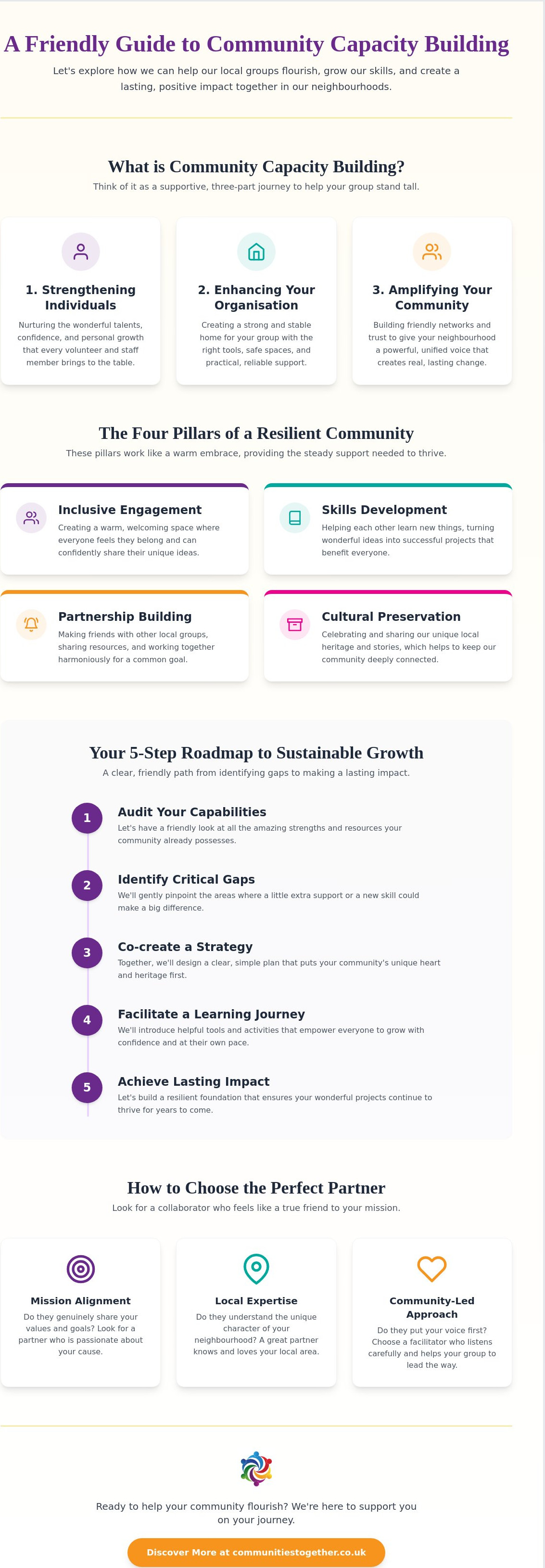
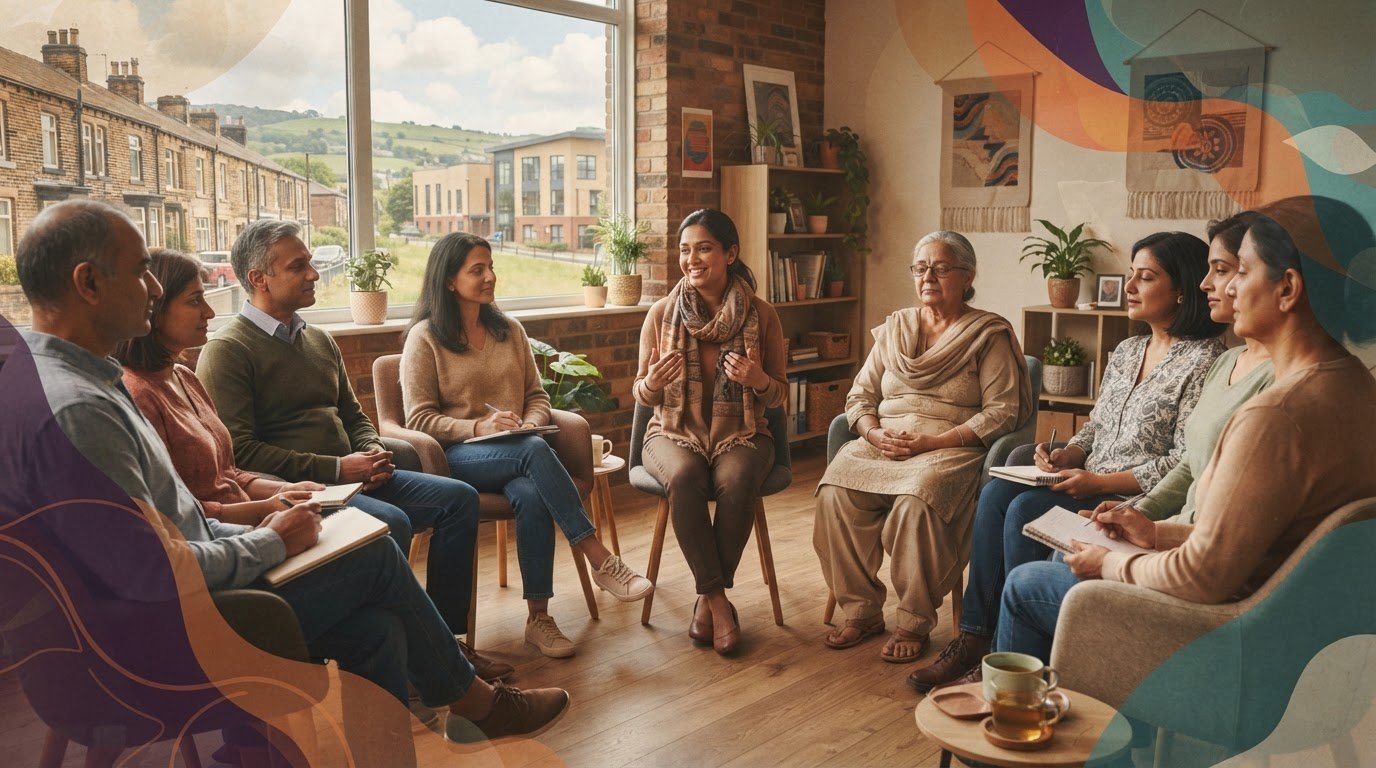
Last week, a dedicated volunteer in West Yorkshire stood in her local community centre, looking at a group of eager neighbours and wondering how to turn their wonderful ideas into a lasting project that truly serves everyone. It's a feeling many of us share: that deep desire to help our area flourish whilst feeling a bit overwhelmed by a lack of specialised skills or the difficulty of proving our long-term impact to funders. Strengthening your local group through community capacity building UK is really about giving your team the friendly support and professional tools they need to grow together. We're here to help you move past the hurdles of fragmented social efforts and find a path toward genuine, heart-felt togetherness that lasts for years to come.
We know that choosing a partner to support your group is a big decision, and you deserve a collaborator who feels like a true friend to your mission. In this guide, we'll help you discover how to pick the right facilitator to help your organisation become more resilient, skilled, and connected. We'll explore the core pillars of a strong community, show you how to audit your local strengths, and introduce you to an approach that puts your unique heritage at the heart of every activity. By the time you've finished reading, you'll have a clear, friendly roadmap to help your community thrive, ensuring that your local infrastructure is as warm and welcoming as the people who live there.
Table of Contents
What is Community Capacity Building in the UK Context?
Think of community capacity building UK as the friendly hand that helps your local group stand on its own two feet and tackle the things that matter most to you. It's about much more than just getting a bit of temporary help; it's a warm and supportive way of helping your neighbourhood thrive. To really understand What is Capacity Building in 2026, it's helpful to see it as a three-part journey that helps you grow your own skills, makes your group's home base stronger, and gives your whole community a louder voice to make real change happen.
As we move through 2026, there's a lovely shift towards putting resilience first, which just means making sure our projects are here for the long haul. In busy urban centres like Leeds and Bradford, this kind of support is so important for making sure everyone feels included and reducing those feelings of being alone. It's all about creating a welcoming space where we can all work together in harmony and look out for one another in our daily lives.
The Range of Resources: More Than Just Funding
While having the right funds is always helpful, true capacity is about all the different things that help your group keep going. We like to look at three main areas that make a real difference:
People Power: The wonderful talents, personal growth, and life stories that your volunteers and staff bring to the table every day.
Friendly Networks: The connections and trust we build amongst ourselves that link different parts of our community together.
Practical Tools: Having a safe place to meet, the right equipment, and the steady funding needed to host your favourite activities.
We've found that sharing our local heritage is like a special gift that helps us stay connected to our roots whilst we move forward together. Capacity building is a heart-felt journey of change that helps us all grow together rather than just a one-off meeting.
Why 2026 Demands a New Approach
This year brings some really special opportunities for us to grow closer, especially in our beautifully diverse West Yorkshire communities. With new plans like the Social Cohesion Action Plan launched in March 2026, there's a real desire for community learning to work hand-in-hand with what our local councils hope for. This means finding ways to build bridges between people from all walks of life so that everyone feels welcome and valued. By focusing on partnership and community capacity building, we can turn small, separate efforts into a big, friendly family that makes life better for everyone in our region.
The Core Pillars of a Resilient Community Infrastructure
Building a friendly and supportive home for our local projects means looking at four special pillars that help us all grow closer together. When we talk about community capacity building UK, we're really talking about making sure everyone feels included, helping each other learn new things, making friends with other groups, and keeping our wonderful local stories alive. These pillars work like a warm embrace for our community, providing the steady support we need to foster resilience and make sure our projects can keep doing good work for a long time. It's really helpful to look at the UK government guidance on community capacity building to see how these ideas fit into a bigger picture of helping our neighbourhoods shine. It's about more than just getting things done; it's about making sure every person feels they belong and has the confidence to share their unique talents with their neighbours.
We've seen how much it helps to offer structured learning that feels like a shared adventure rather than a clinical classroom. When we host personal development workshops, we're helping each individual find their own inner strength, which in turn makes the whole group feel more stable and harmonised. This friendly way of learning helps bridge the gap for those who might feel a bit isolated, giving them a welcoming path to join in and feel valued. By focusing on the heart of our community, we make sure our infrastructure is built on trust, kindness, and a shared desire to look after one another.
Inclusive Engagement and Social Cohesion
Organising programmes that reach out to everyone in places like Wakefield and Halifax is all about making a warm and genuine connection. We love finding ways to bring people from all sorts of backgrounds together so they can learn from each other and grow side by side. Our wellbeing and resilience workshops are a lovely way to help reduce those feelings of worry we all sometimes have, creating a calm space where we can focus on our collective strength. By making our engagement truly inclusive, we help neighbours build lasting friendships that turn a simple project into a thriving, supportive family.
The Role of Heritage and Cultural Preservation
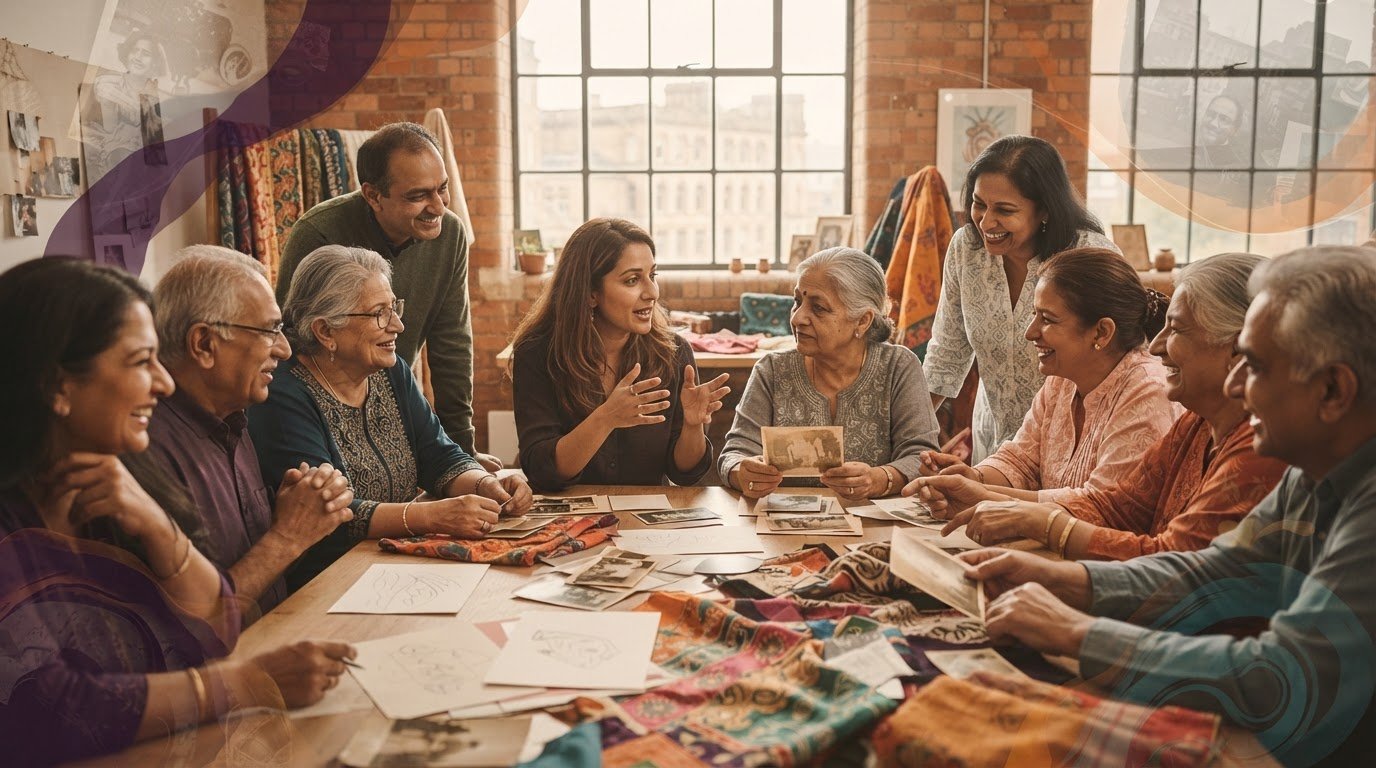
Keeping our local stories and traditions alive is such a wonderful way to help our communities feel strong and proud. South Asian arts and heritage activities are a brilliant example of how we can build capacity by celebrating the beautiful diversity of West Yorkshire. These heritage projects do more than just preserve the past; they create a sense of 'organisational pride' that makes people excited to volunteer and get involved. At Communities Together, we're so passionate about being a friendly bridge-builder, helping to weave these cultural threads together to make our social fabric even stronger. If you're looking for a bit of extra support to help your group flourish, our wellbeing and resilience workshops are a great place to start your journey together.
Evaluating Capacity Building Partners: A Buying Guide Framework
Selecting a partner to facilitate your group's growth is a significant responsibility that requires a methodical evaluation of their values, expertise, and local roots. For groups seeking to refine their internal oversight, corporate governance consultants UK can offer the professional support needed to ensure long-term stability. Whilst many national organisations offer generic support, the most effective community capacity building UK comes from facilitators who truly understand the intricate threads of our local social fabric. It's about finding an authoritative bridge-builder who doesn't just provide a service but acts as a stable foundation for your collective endurance. By choosing a partner with a mission-driven focus, you ensure that every action taken contributes to long-term social benefits rather than short-term excitement.
We believe that a professional facilitator should project the personality of a principled expert who values tradition and progress in equal measure. This balance is vital when navigating the complexities of 2026, where social responsibility and cultural continuity are at the forefront of community development. You'll want a partner who speaks with the quiet confidence of an established facilitator, prioritising harmony and stability over bold or provocative messaging. This earnest approach is exactly what we strive for at Communities Together, where our work is grounded in a deep sense of purpose and accountability.
Key Criteria for Selection
When you begin your search, the first question to ask is whether the provider possesses genuine local knowledge of the West Yorkshire landscape. Do they understand the specific dynamics and cultural nuances of Huddersfield, Bradford, or Kirklees? A partner's methodology should be comprehensive, offering wellbeing and resilience workshops alongside technical skills to ensure a holistic approach to growth. We recommend looking for a track record that includes successful heritage projects and creative arts initiatives, as these are the activities that foster genuine togetherness. You can explore our own journey and commitment to these values on our About Us page, which details our history as a methodical advocate for local empowerment.
Mission-Driven vs. Commercial Providers
There's a fundamental distinction between "top-down" institutional training and "bottom-up" community-led facilitation. Whilst commercial providers might offer efficient modules, mission-driven organisations bring an emotional style that's inclusive and community-oriented. These non-profit partners are more likely to share your core values, ensuring that the partnership-building skills they share extend far beyond the initial programme. By working with a provider who understands partnership and community capacity building, you're investing in a collaborative future that prioritises social cohesion. This alignment of mission and methodology is what allows a community group to transition from fragmented efforts to a unified, resilient infrastructure that stands the test of time.
Developing Your Strategy: From Gaps to Growth
Transitioning from the selection of a professional facilitator to the practical application of a growth strategy requires a methodical, step-by-step approach to ensure long-term stability and social responsibility. To foster resilience and sustainable progress, we recommend a five-step roadmap: Audit, Engagement, Partnership, Implementation, and Evaluation. This structured process allows your group to move from identifying immediate needs to securing a future of collective endurance. By focusing on community capacity building UK, you're not just completing tasks; you're facilitating a journey that strengthens the social fabric of your local area whilst ensuring every member has the tools to succeed.
Designing inclusive community programmes for diverse groups in Leeds and beyond requires more than just good intentions. It demands a deep understanding of the specific skills gaps within your current community infrastructure. When you identify where support is lacking, you can tailor your efforts to provide the most impact. Measuring social impact is equally vital, as it provides the evidence needed to secure future funding from bodies like the Pride in Place programme or local authority grants. By demonstrating clear results, you build the trust and accountability necessary for long-term partnerships.
Conducting a Community Audit
The first step in any successful strategy is a thorough audit of your local area's existing skills and cultural assets. We recommend using "listening exercises" to ensure that your engagement is inclusive from the very beginning, allowing every voice to be heard and every perspective to be valued. This process involves mapping out what you already have, from talented volunteers to shared spaces, so you don't repeat work that's already being done. Audit results should inform the specific choice of wellbeing and resilience workshops to ensure they address the most pressing local needs. This methodical mapping ensures that your resources are used efficiently to facilitate the greatest possible growth.
Setting Measurable Social Outcomes
To demonstrate the value of your work to funders and stakeholders, you must define clear, measurable social outcomes that reflect your mission. These might include reduced social isolation amongst elderly residents, increased cultural participation through South Asian arts activities, or enhanced skills for young volunteers. Aligning these outcomes with the strategic goals of West Yorkshire local authorities ensures your project remains relevant and well-supported within the broader regional framework. Personal development should always be a key metric of success, as the growth of the individual is what ultimately facilitates the growth of the group. If you're ready to begin this journey, our team is here to help you through dedicated partnership and community capacity building support.
Strengthening Yorkshire: The Communities Together Approach
Within the vibrant and diverse landscape of West Yorkshire, Communities Together serves as an authoritative bridge-builder and methodical advocate for local empowerment. We understand that effective community capacity building UK requires more than just administrative advice; it demands a deep, professional commitment to weaving together the complex threads of our social fabric. By providing a stable foundation for others to build upon, we facilitate collaborative growth across Huddersfield, Halifax, Leeds, Bradford, and Wakefield, ensuring that every project we support is grounded in a sense of purpose and accountability. Our approach is designed to be absorptive and reassuring, offering the quiet confidence of an established facilitator who values both tradition and progress in equal measure.
We pride ourselves on being a reliable and serious partner for local groups, acting as a professional conduit for collective growth rather than seeking the spotlight for ourselves. This principled expertise allows us to understand the intricate social dynamics of our region, from the historic textile towns to the bustling urban centres. By maintaining a steady and thorough rhythm in our work, we ensure that every statement of intent is balanced by a measurable statement of impact, creating a rhythmic pulse of professional promise and social delivery that feels both grounded and aspirational for the people we serve.
Bespoke Engagement Programmes
Our engagement programmes are meticulously tailored to reflect the unique fabric of West Yorkshire's neighbourhoods, moving beyond generic solutions to address the specific needs of our residents. We prioritise inclusive learning and personal development for isolated individuals, creating pathways that lead from social exclusion to active, confident participation in local life. By focusing on the individual's journey, we ensure that the wider community gains a more resilient and skilled membership capable of maintaining its own progress. We invite you to explore our Community Engagement Programmes to discover how we can help you create a lasting local impact through structured support and genuine partnership.
Cultural Heritage as a Catalyst
We believe that cultural heritage acts as a powerful catalyst for togetherness, which is why our South Asian heritage workshops for schools and community groups are so vital for the region's future. These activities do more than teach history; they build multi-generational capacity by fostering a shared sense of identity and organisational pride amongst participants of all ages. The long-term benefits of these cultural preservation projects are evident in the enhanced social cohesion and structural strength they bring to local areas, helping to reduce grievances and build trust. As a wise facilitator, we take our responsibility seriously, acting as a professional conduit for collective growth whilst protecting what matters most to our diverse communities. This methodical investment in our shared heritage ensures that the progress we make today becomes a stable foundation for the generations of tomorrow.
Fostering a Sustainable Future for Your Community
Strengthening the social fabric of our local neighbourhoods requires a methodical commitment to togetherness, structural strength, and collective endurance. By implementing a robust strategy that prioritises inclusive engagement whilst anchoring progress in the preservation of shared heritage, your group can achieve a level of resilience that withstands the complexities of the modern landscape. It's about building together. This professional journey towards effective community capacity building UK ensures that every member feels a profound sense of belonging whilst developing the specialised skills needed to address local priorities with confidence.
In an increasingly connected world, local groups can also draw inspiration from global initiatives focused on the sustainable transformation of the built environment, such as the Construction Technology ConFeX KSA, which highlights how technology and innovation can build stronger, more resilient foundations for future growth.
Our established facilitators bring a proven track record in social cohesion and a deep expertise in South Asian arts to help you maintain stability and foster harmony amongst your neighbours. If you're ready to facilitate long-term social benefits through a principled, mission-driven approach, we invite you to Partner with Communities Together to strengthen your local impact. We look forward to helping you weave together the threads of your community to create a stable foundation for lasting growth and togetherness.
Frequently Asked Questions
What is the primary goal of community capacity building?
The primary goal is to empower local groups to define and address their own priorities by strengthening their internal structures, skills, and influence. This methodical support ensures that communities have the confidence to manage assets and deliver services independently. By building this collective strength, organisations can achieve lasting stability and social responsibility whilst ensuring every member can contribute to the group's mission.
How does capacity building differ from traditional community development?
Capacity building focuses specifically on the internal mechanics of an organisation, such as governance, personal development, and partnership-building skills. Whilst traditional development often targets external outcomes like new facilities, capacity building ensures the group has the structural strength to maintain those assets. It's about facilitating the journey from being a recipient of aid to becoming a self-sustaining facilitator of change.
Why is cultural heritage important for community resilience in 2026?
Cultural heritage acts as a vital anchor that provides a sense of continuity and collective identity amongst diverse populations. In 2026, this sense of belonging is essential for building the structural strength needed to navigate social shifts and reduce isolation. By maintaining traditions through creative arts, groups foster a deeper sense of togetherness that attracts diverse volunteers and encourages long-term investment in the local area.
How can local groups in West Yorkshire access capacity-building support?
Groups can access support by partnering with mission-driven organisations that specialise in community capacity building UK and the regional social landscape. Many local authorities now offer specific capability funds designed to help groups trial new ways of delivering public services and managing community assets. Engaging with a wise facilitator who understands the local context is often the first step towards securing these resources and building a resilient infrastructure.
What are the key principles of inclusive community engagement?
The key principles include active listening, ensuring physical and digital accessibility, and valuing every diverse perspective within the neighbourhood. Inclusive engagement must be methodical and earnest, creating safe spaces where every voice is heard and every contribution is recognised. This approach facilitates genuine social cohesion by ensuring that programmes reflect the actual needs and cultural backgrounds of all residents, rather than just a vocal few.
How do you measure the success of a capacity-building programme?
Success is measured through a combination of qualitative social impact data and quantitative organisational metrics, such as increased volunteer retention or successful grant applications. We look for evidence of enhanced skills, better personal development for members, and a more stable organisational foundation. These indicators demonstrate a group's improved ability to facilitate collective growth and maintain cultural continuity over the long term without relying on external intervention.
Can arts-based activities really strengthen community infrastructure?
Arts-based activities are highly effective at building social capital by providing a neutral platform for dialogue and creative expression amongst different backgrounds. These projects facilitate trust and togetherness, which are the essential components of a strong community infrastructure. By engaging in shared heritage activities, members develop the collaborative skills and personal resilience needed to tackle more complex organisational challenges together in a spirit of harmony.
Is community capacity building suitable for small, volunteer-led groups?
Capacity building is perfectly suited for small, volunteer-led groups as it provides the methodical framework needed to transition from informal action to sustainable social impact. Even modest investments in learning and skills can significantly enhance a group's ability to manage its mission and attract new partners. It's about providing a stable foundation that allows even the smallest organisation to build a lasting legacy and maintain its social responsibility within its local area.

Comments