
Arts and Culture Workshops in Leeds: Creative Participation and Community
What if a creative workshop could do more than teach a skill? It can also make space for people to share stories, explore heritage and build connections across their community. If you’re looking into arts and culture workshops Leeds has to offer, a listing may not tell you who an activity is for or what participants will do. Look for a clear purpose, a creative form that interests you and opportunities to take part alongside others.
This guide explores how creative activities can support those aims, from South Asian music, dance, visual arts and crafts to storytelling and performance. You’ll find practical ways to assess whether an activity suits your interests, understand how South Asian arts and heritage connect with community participation, and consider how creative work can contribute to cultural preservation. For community organisations, we’ll also look at how workshops can sit within wider engagement and partnership work. Communities Together brings these strands together through programmes in Leeds and across West Yorkshire, including Huddersfield, Halifax, Bradford and Wakefield, creating opportunities for participation, learning and stronger relationships.
Table of Contents
What can arts and culture workshops in Leeds offer local communities?
South Asian arts and culture workshops in Leeds: what might you explore?
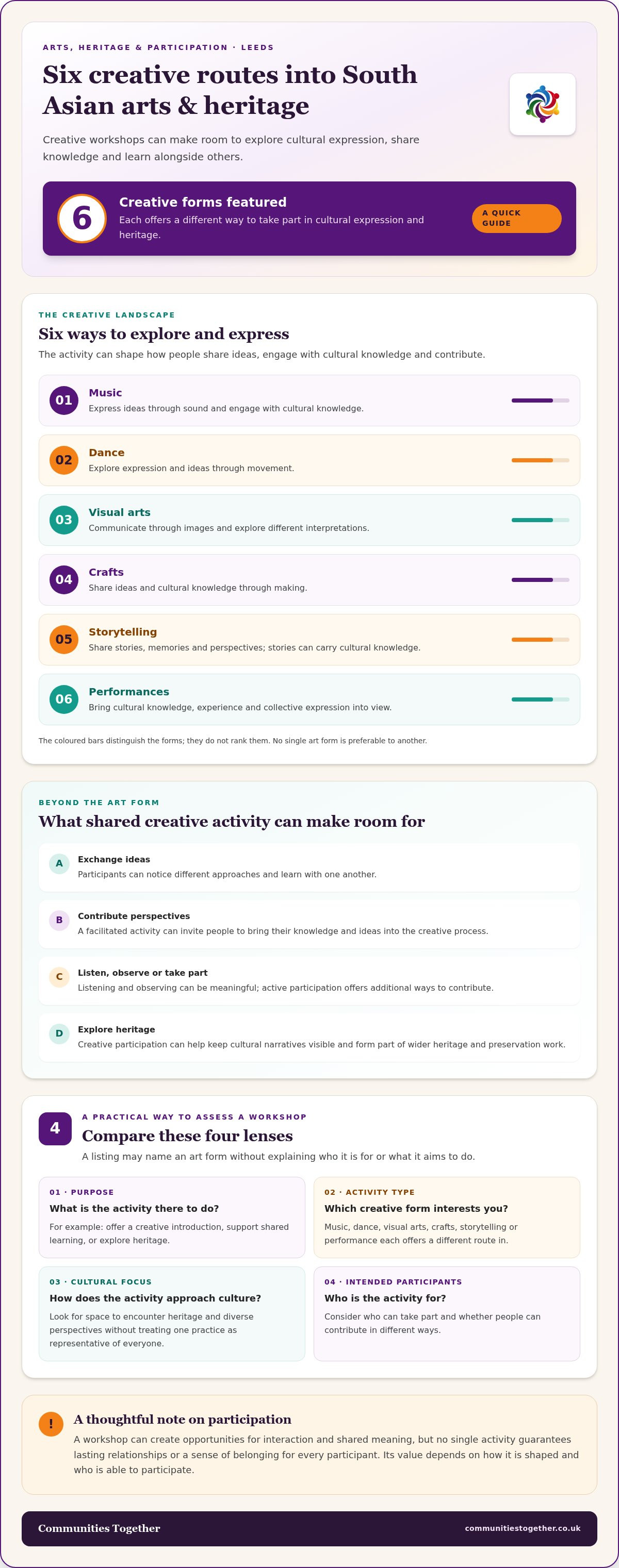
How to assess arts and culture workshops in Leeds for your needs
Planning participation in arts and culture workshops around Leeds
How Communities Together connects arts and culture with community participation
What can arts and culture workshops in Leeds offer local communities?
Arts and culture workshops give people a facilitated way to take part in creative activity, share knowledge and connect through a common experience. The activity itself is only part of the picture. How it is facilitated can make room for participants to exchange ideas, learn together and contribute their own perspectives.
A one-off session might focus on trying something new or spending time making. Creative activity can have a wider community purpose when people learn together, share perspectives and encounter cultural experiences beyond their own. The difference is not simply how long an activity lasts, but whether it creates space for interaction and shared meaning. A workshop can provide that opportunity, though no single activity guarantees lasting relationships or a sense of belonging for every participant.
In Leeds, arts and culture workshops can describe many different experiences. A listing may name the art form without explaining who the activity is for or what it aims to do. Leeds has a varied cultural context, as outlined in this overview of the Culture of Leeds. When assessing a particular activity, look beyond its subject: does it invite people to contribute, learn with others or explore cultural heritage?
This is useful whether you’re choosing an activity for yourself or developing one with a community organisation. If you want a creative introduction, you may prioritise trying an art form. If you’re planning a group activity, shared learning, cultural exchange or heritage preservation may matter more. These aims can overlap, but naming your main priority makes it easier to judge what participation involves.
How creative participation can bring people together
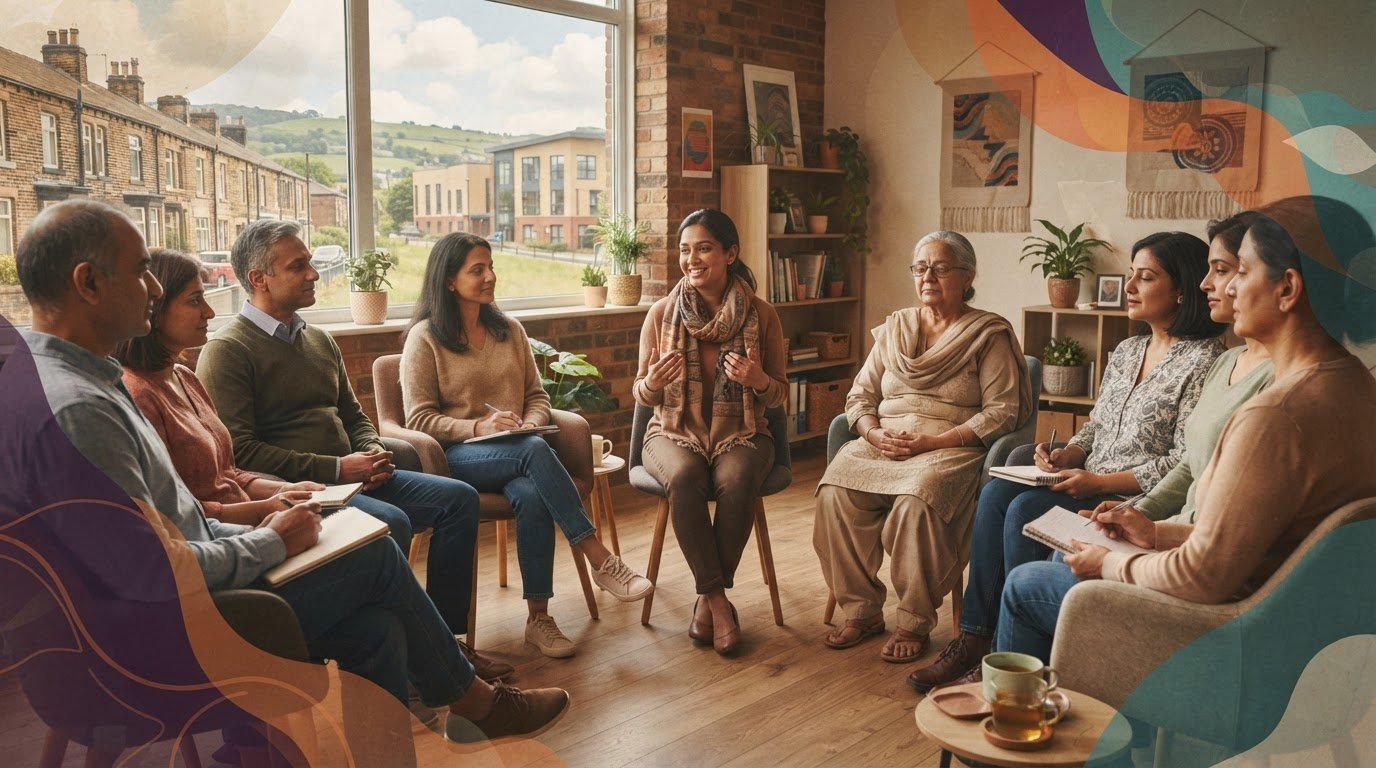
Making, sharing and learning give people a focus for interaction. Participants can exchange ideas, notice different approaches and contribute knowledge to a shared activity. Unlike simply attending a performance, taking part invites people into the creative process. Listening and observing can also be meaningful, while active participation gives people additional ways to contribute.
For community groups, a shared activity can create space for conversation and mutual understanding. Its value depends on how the activity is shaped and who is able to participate, rather than on assuming a particular outcome.
Which creative forms might a Leeds workshop explore?
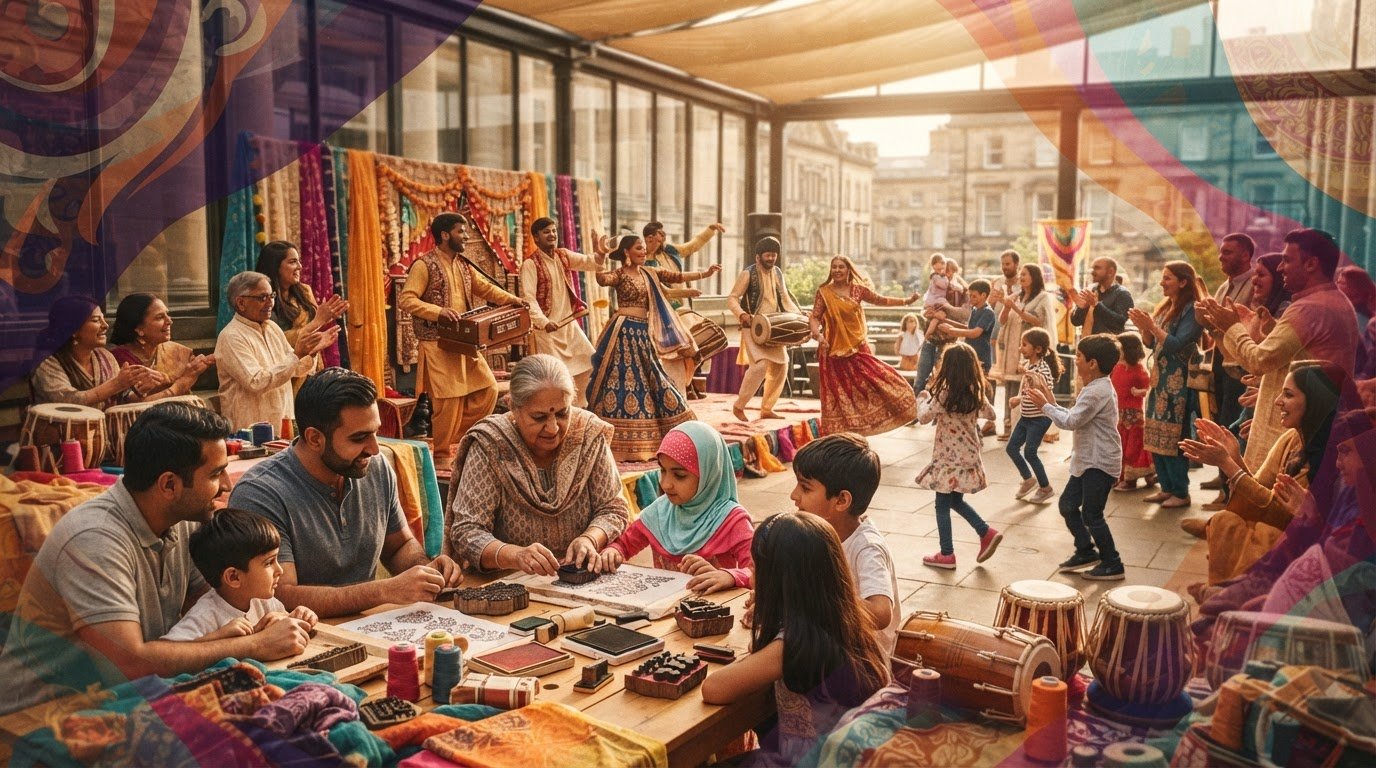
Communities Together’s South Asian arts and culture activities include music, dance, visual arts, crafts, storytelling and performances. Each offers a different route into creative expression and cultural experience. Stories can carry memories and perspectives, while visual and movement-based activities can invite people to interpret and express ideas in different ways.
These forms can suit different interests and ways of participating. The best fit depends on what you want to explore and how you want to take part, rather than one art form being preferable to another.
South Asian arts and culture workshops in Leeds: what might you explore?
South Asian arts and culture are a specific strand of Communities Together’s work, connecting creative participation with heritage, community engagement and cultural preservation. South Asian communities are diverse, with different backgrounds, experiences and ways of expressing culture. Activities can create opportunities to share and encounter that diversity without treating any single practice as representative of everyone.
Communities Together’s South Asian arts and culture activities include music, dance, visual arts, crafts, storytelling and performances, offering different ways to participate in cultural expression and heritage. The form can shape how people share ideas: through sound, movement, visual expression, making, spoken stories or performance. For people exploring arts and culture workshops in Leeds, this cultural focus distinguishes heritage-based participation from creative activity approached only as a skill or pastime.
Music, dance, visual arts and crafts as cultural expression
Music and dance express ideas through sound and movement, while visual arts and crafts offer ways to communicate through images and making. Each form creates different possibilities for participation, sharing perspectives and engaging with cultural knowledge. Inclusive activity makes room for varied backgrounds and different ways of relating to an art form, rather than assuming a single style or level of experience.
Participants may want to explore an unfamiliar form or bring their own knowledge into a shared activity. For community organisations, these creative disciplines can provide a starting point for cultural engagement, shaped around the people and heritage involved rather than assumptions about a whole community.
Storytelling and performances in heritage activity
Storytelling and performance can share cultural knowledge and experience, bringing memory, identity and collective expression together. They give people ways to listen, interpret and share perspectives, and can help keep cultural narratives visible. An inclusive approach pays attention to whose experiences are represented and recognises the many voices and histories within communities.
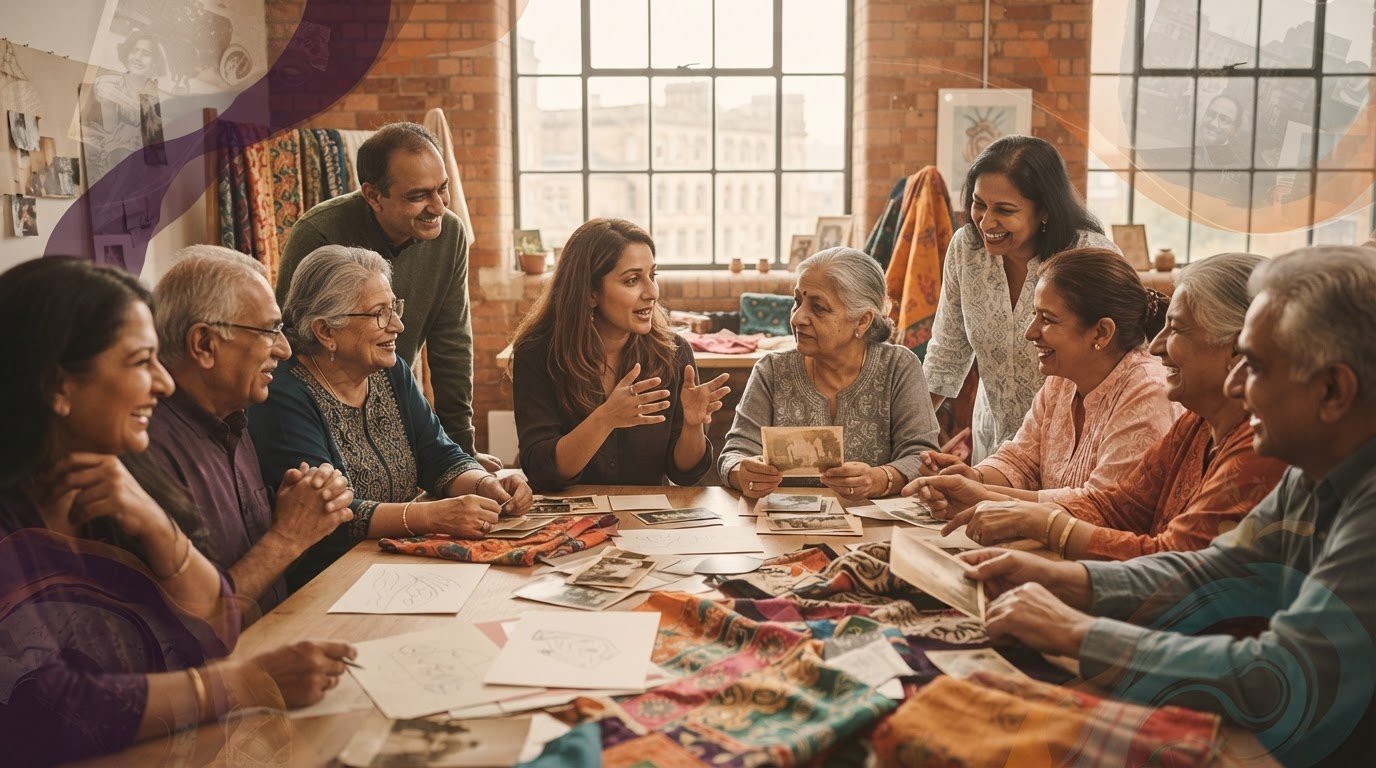
Creative participation can form part of broader heritage and cultural preservation work. This means creating opportunities to engage with and pass on shared histories, not simply presenting culture. Communities Together’s heritage preservation projects provide a wider context for understanding how these activities can support cultural continuity and connection.
Individuals and community groups can explore this approach through South Asian arts and heritage activities with Communities Together, where creative forms connect with cultural participation and community engagement.
How to assess arts and culture workshops in Leeds for your needs
A listing may describe the activity without showing whether it fits your aims. When comparing arts and culture workshops in Leeds, consider four things together: purpose, activity type, cultural focus and intended participants. This helps you distinguish an individual’s interest in creative learning from an organisation’s aims for community engagement or heritage work.
Use the questions below to clarify what you’re looking for. They are not a ranking system; the right fit depends on your interests or what you hope to achieve as a group.
Match the workshop’s purpose to your interest
If you want to explore a creative form, start with the activity and the kind of learning you’re seeking. Communities Together’s South Asian arts and heritage activities include music, dance, visual arts, crafts, storytelling and performances. If you’re interested in cultural participation or heritage, consider how the creative form connects with those themes. An activity can serve more than one purpose, but its stated focus can help you decide whether it is relevant to you.
For an organisation, the starting point may be different. A community group developing an engagement activity might prioritise shared participation, while a heritage project may focus on cultural preservation. Set out the main aim before comparing activity themes, and avoid assuming a particular result.
Consider inclusion and community context
Community-focused activity benefits from clear thought about who is invited and whether different backgrounds and perspectives are welcomed. Inclusion shapes whose knowledge can be shared and how people can contribute. If you’re planning an activity for an organisation, consider how it fits your engagement or partnership aims and whether its cultural focus is relevant to the community involved.
Communities Together connects inclusive engagement with cultural participation, recognising that each project has its own context. Explore Communities Together’s community engagement programmes for a broader view of this work.
Planning participation in arts and culture workshops around Leeds
A little planning can help you find a creative activity that feels relevant to you or your community. If you’re considering arts and culture workshops in Leeds, start with the purpose, then think about the activity, who should be involved and how participation could connect with wider local aims. This gives individuals a clear way to explore their interests and helps organisations decide what role a workshop could play.
Identify the purpose. Decide whether you’re looking for creative learning, cultural participation, heritage preservation or a shared community activity. Naming the main aim helps focus your choices.
Choose a relevant activity. Consider which creative form or cultural theme fits that purpose and the interests of the people involved.
Consider inclusion. Think about whose perspectives and experiences the activity should welcome, and how participants can contribute meaningfully.
Explore participation. With the aim and intended participants in mind, consider how the activity could fit individual learning or a broader community initiative, without assuming a particular format or result.
For individuals seeking a creative or cultural activity
For organisations exploring a community partnership
If you represent a community organisation, start with the people you hope to engage and the purpose of the work. Communities Together works with local authorities, educational institutions, charities and community groups. Depending on the project’s aims and context, a creative activity can support inclusive engagement, cultural participation or heritage preservation. Collaboration helps shape relevant activity, but does not guarantee a particular outcome.
Think about how the creative element supports the wider purpose. Does it give people a meaningful way to contribute, share cultural experience or take part in preserving heritage? Communities Together brings arts and culture into community engagement and partnership work, so creative participation can sit within a broader local context. For individuals, that can offer a route into cultural interests. For organisations, it can help frame a shared project around participation and connection.
How Communities Together connects arts and culture with community participation
Communities Together is a registered non-profit established in 2007, working in Leeds and across West Yorkshire, including Huddersfield, Halifax, Bradford and Wakefield. Its work connects cultural participation with community engagement, heritage preservation and partnership building. For people exploring arts and culture workshops in Leeds, that wider approach helps explain how a creative activity can relate to inclusive participation and cultural continuity.
The organisation’s mission is: “Our mission is to strengthen communities and improve health and wellbeing outcomes through inclusive engagement, cultural participation, and collaborative partnerships.” This statement connects its cultural activities with wider aims. It describes the purpose of the work, rather than promising a particular outcome for every participant or project.
A community-focused approach to cultural participation
Communities Together’s South Asian arts and culture activities include music, dance, visual arts, crafts, storytelling and performances. These forms offer different ways to engage with culture, contribute perspectives and encounter heritage. Creative participation can connect with shared learning, cultural preservation and community involvement beyond the activity itself.
This combination is central to a community-focused approach. Arts and heritage activities create opportunities for cultural expression, while inclusive engagement places participation in the context of people’s needs and perspectives. Wellbeing and social connection are part of the organisation’s wider mission, but are not guaranteed effects of taking part. The focus is on creating meaningful opportunities and working collaboratively towards each programme’s aims.
This perspective helps individuals and groups understand why an activity is offered and how it relates to community life. A creative form can be a point of entry, while its cultural context and the way people are invited to participate shape its wider relevance. Cultural activity can contribute to sustained engagement, alongside listening to communities and recognising the diversity of their experiences.
Working collaboratively with local organisations
Partnership is part of Communities Together’s approach. The organisation works with local authorities, health organisations and educational institutions, as well as charities and community groups. These relationships can connect cultural participation with broader community priorities, including inclusive engagement, heritage preservation and opportunities to take part in shared activity. The relevant purpose depends on the context and the partners involved.
If your organisation is considering a community project, start by identifying its purpose, then consider which cultural activities could support participation and which organisations should be involved. This keeps the creative element connected to a wider aim without assuming that every partnership or activity will take the same shape.
Explore how this work brings arts, heritage and community participation together through Communities Together’s community programmes.
Take your next step towards creative participation
Arts and culture workshops in Leeds can be a starting point for exploring cultural exchange, shared learning and community priorities. Keep the purpose in view as you decide what to do next. Whether you’re taking part as an individual or developing an idea with a community organisation, consider who the activity is for and what it aims to support.
Creative participation is more meaningful when people have room to contribute, encounter different perspectives and connect an activity with experiences that matter to them. Communities Together’s cultural programmes and community partnerships support this kind of engagement across Leeds and West Yorkshire.
Explore Communities Together’s community programmes to find out how arts, heritage and inclusive engagement can support participation in Leeds and across West Yorkshire.
Frequently Asked Questions
Can arts and culture workshops in Leeds help people connect?
They can create opportunities for people to meet, share experiences and take part together, although no particular social or wellbeing outcome is guaranteed. Communities Together connects cultural participation with inclusive engagement and community development. If connection matters to you, look for an activity that makes shared participation part of its purpose, rather than assuming attendance will have the same effect for everyone.
What kinds of South Asian arts and culture activities can workshops include?
Communities Together’s programme areas include music, dance, visual arts, crafts, storytelling and performances. These offer different ways to engage with cultural expression, from making and movement to listening and sharing stories. They are examples of the organisation’s broader activities, not a promise that every form will be part of each workshop. If one particularly interests you, use it as a starting point for exploring the programme.
Are arts and culture workshops only for people from South Asian backgrounds?
No. Communities Together’s work is for the general public and diverse community members, so a South Asian cultural focus does not restrict participation to people from that background. The programmes celebrate and preserve cultural traditions while creating opportunities for wider participation. If you’re new to a cultural activity, approach it with curiosity and respect, and remember that one person’s experience does not represent an entire community.
How can a Leeds community organisation work with an arts programme?
Start by identifying how cultural participation could support your engagement, inclusion or heritage aims, then consider who should help shape the idea. Communities Together works with local authorities, health organisations, educational institutions, charities and community groups across Huddersfield, Halifax, Leeds, Bradford and Wakefield. Explore Communities Together to learn more about its partnership approach and community work.
Do arts and culture workshops have to focus on making art?
No. Cultural participation can include more than producing an artwork. Communities Together’s programme areas also include storytelling and performances, where listening, sharing or experiencing cultural expression may be central. The emphasis depends on the activity, so consider whether you want to make, learn, listen or engage with cultural experience.
What is the difference between an arts class and a community-focused cultural workshop?
The emphasis often differs, although the purposes can overlap. An activity centred on practising a creative discipline may suit someone focused on developing skills. References to cultural expression, heritage or community participation suggest a wider focus. Consider which purpose matters most to you and whether the activity’s stated focus fits your interest or your group’s aims.
Can workshops support cultural heritage preservation in Leeds?
Creative activity can contribute to heritage preservation when it supports cultural participation, storytelling or skills development. Communities Together’s heritage projects include story capture, festivals and skill development for artists. These are broader project examples, not a claim that a particular workshop preserves a specific tradition. For a heritage-focused activity, consider how it connects with cultural knowledge and whose experiences it includes.
Comments